Skip to content Skip to main content

Suicide Awareness & Prevention

Their lives were more than how they died.

Suicide has touched our church family twice. We carry Andrea and Danny with us, and we will not stay quiet about the pain that takes too many people from the ones who love them.

This page discusses suicide and suicide loss.

Continue

We Say Their Names

Two lives. Two families changed forever.

Andrea and Danny are not statistics to us. They are part of our family, and their lives remain part of the story of this church.

In Loving Memory

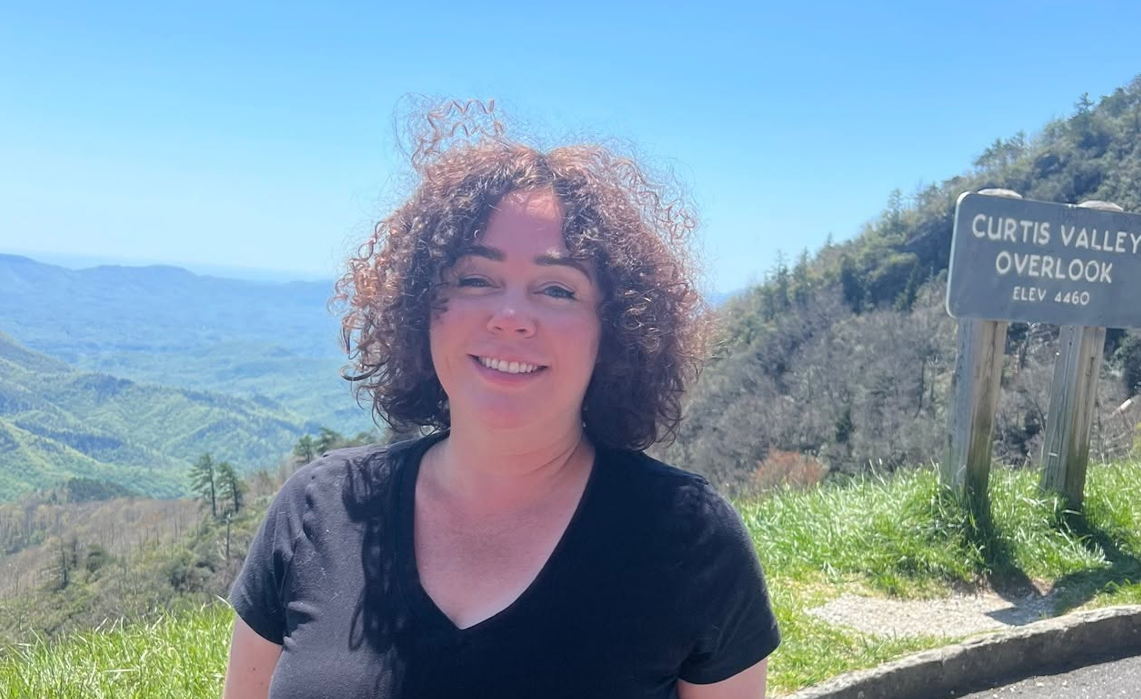
Andrea K. Mathews

Andrea K. Mathews

Remembered since

Andrea was deeply loved and part of the heart behind what became Church of the Savage Heart. Her music, creativity, passion, and vision helped shape this ministry.

We remember the person she was, the work she began, the laughter and love she gave, and the ways her life still reaches people today.

Her light remains part of our story.

In Loving Memory

Danny McVey Jr.

Danny McVey Jr.

United States Air Force Veteran

Danny was a son, brother, uncle, godfather, best friend, and a Veteran of the United States Air Force. He showed up for the people he loved and made others feel welcomed, valued, and cared for.

We remember his service, his humor, the love he gave, and the full life that existed beyond the day we lost him.

We do not remember Andrea and Danny only for the way they died. We remember how they lived, who they loved, and why their lives mattered.

Out of the Darkness Community Walk

Join the walk. Support Danny’s team.

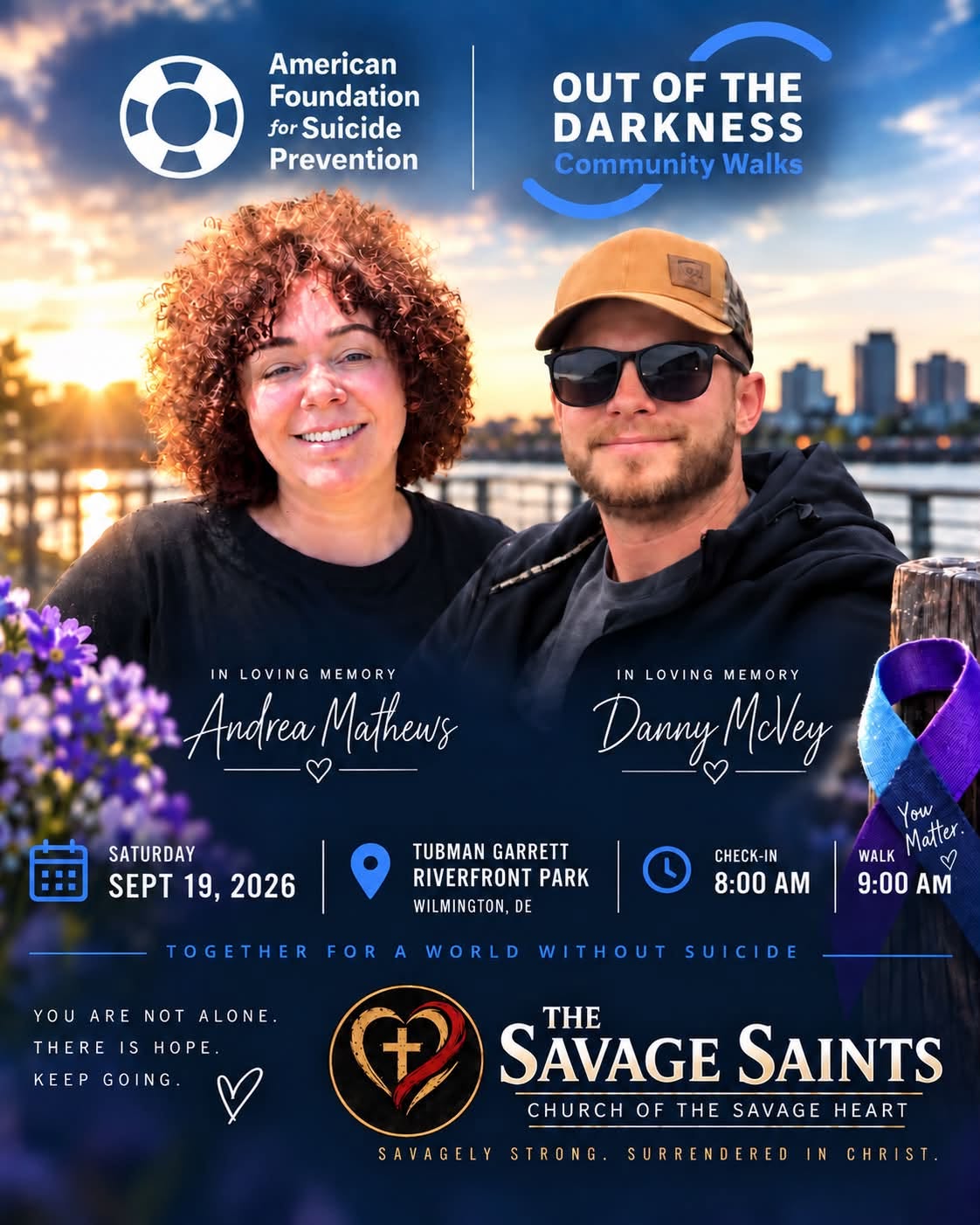
The Wilmington Out of the Darkness Community Walk is a broader community suicide-prevention event organized by the American Foundation for Suicide Prevention. The walk is not dedicated specifically to Andrea or Danny.

Danny McVey has an established team for the event. If you would like to participate, donate, or show your support, we encourage you to support Danny’s team.

The community walk is organized by the American Foundation for Suicide Prevention. The Savage Saints participates independently as a local church community.

Promotional artwork for the Wilmington Out of the Darkness Community Walk on September 19, 2026

Start Where You Are

What do you need right now?

Choose the situation closest to yours. You do not have to know every next step before taking the first one.

I need help.

Move away from anything you could use to hurt yourself. Call or text 988, go to someone you trust, or go to the nearest emergency department. You can simply say, “I am not safe alone right now.”

I’m worried about someone.

Ask them directly whether they are thinking about suicide. Listen without arguing. Stay with them when possible, help reduce access to anything they could use to hurt themselves, and contact 988 together.

I’m grieving a suicide loss.

Suicide loss can carry shock, anger, guilt, unanswered questions, and isolation. You do not have to defend your grief or carry it alone. Support can come from a counselor, survivor group, pastor, or steady friend.

After a Suicide Loss

Grief does not follow a straight line.

A suicide loss can bring shock, anger, guilt, confusion, numbness, unanswered questions, and isolation. There is no single correct way to carry it.

Let someone stay close.

You do not need to explain everything. Tell one trusted person when the weight is becoming too much to carry alone.

Find support that understands.

A grief counselor, suicide-loss support group, pastor, or trusted friend can provide steady support without rushing your process.

Watch your own safety.

Suicide loss can increase risk for survivors. If your grief turns into thoughts of harming yourself, call or text 988 immediately.

Awareness Guide

Recognizing Warning Signs

Know What to Notice

A change can be a warning.

Warning signs may appear in what someone says, how they describe feeling, or how their behavior changes. Take them especially seriously when they are new, increasing, or connected to a painful event, major loss, or sudden life change.

You do not have to decide whether someone is “serious enough” before checking on them. A direct, caring conversation is an appropriate response to concern.

Immediate Concern

If someone may act now, do not wait.

If a person says they intend to die, has a plan, has immediate access to lethal means, or cannot stay safe, remain with them when it is safe for you to do so and connect with immediate help. Do not promise to keep a suicide plan secret.

Explore the Signs

What have you noticed?

Select a category to review its warning signs. You may mark signs you have noticed to help organize your thoughts before starting a conversation. This guide does not diagnose or calculate risk.

Listen Closely

Someone may talk about:

0

signs marked for this conversation

Selecting signs does not calculate risk. If something concerns you, check in directly and connect with support.

Respond Immediately

Some warning signs should never be left for later.

  • The person says they intend to kill themselves.
  • They have a specific plan, time, place, or method.
  • They have immediate access to firearms, medication, or another lethal means.
  • They have already injured themselves or taken something.
  • They are intoxicated, highly agitated, or unable to remain safe.

Your Next Step

Ask directly and stay present.

  1. Ask

    Ask plainly: “Are you thinking about suicide?”

  2. Listen

    Take the answer seriously. Listen without arguing, judging, lecturing, or trying to solve everything.

  3. Stay

    If danger may be immediate, do not leave the person alone when it is safe for you to remain.

  4. Connect

    Call or text 988 together. Call 911 or go to the nearest emergency room for immediate life-threatening danger.

Do Not Wait for Perfect Words

Help someone through the moment.

You do not need to be a counselor to make a difference. Ask directly, listen carefully, stay present, and help the person connect with support.

Ask Listen Protect Connect Follow Up

A Clear Way Forward

Five actions that can help save a life

Move through these steps calmly. You do not have to solve everything at once. Focus on helping the person remain safe and connected.

  1. Start the Conversation

    Ask directly

    Ask clearly and compassionately whether the person is thinking about suicide. A direct question can open the door to an honest conversation.

    “Are you thinking about suicide?”
  2. Give Them Your Attention

    Be there and listen

    Let them speak without judgment, interruption, or an immediate attempt to fix everything. Take what they say seriously and do not promise to keep a suicide plan secret.

    “I am here with you. You do not have to face this alone.”
  3. Reduce Immediate Risk

    Help keep them safe

    If it is safe for you to do so, stay with them and help reduce access to firearms, medications, or other potentially lethal means. Ask whether they have a plan and how immediate the danger may be.

    “Can we move somewhere safer while we get help together?”
  4. Bring in Support

    Help them connect

    Call or text 988 together. Help them reach a mental-health professional, trusted family member, pastor, physician, or another dependable person who can remain involved.

    “Let us contact someone together. I can stay while we call.”
  5. Keep the Connection Open

    Follow up afterward

    Check in after the immediate crisis. A message, phone call, visit, meal, or ride to an appointment can remind someone that they remain seen, valued, and supported.

    “I meant what I said. I am still here, and I am checking in.”

Conversation Guide

What to say and what to avoid

Calm, direct language creates room for honesty. Keep the conversation centered on the person rather than searching for a perfect response.

Helpful things to say

  • “I am glad you told me.”
  • “I care about you, and I want to understand.”
  • “Are you thinking about suicide?”
  • “Do you have a plan to hurt yourself?”
  • “Let us find support together.”
  • “I can stay with you while we make the call.”

Things to avoid

  • Do not dismiss their feelings or call them dramatic.
  • Do not argue, lecture, shame, or threaten them.
  • Do not compare their pain with someone else’s experience.
  • Do not offer quick answers such as “just cheer up.”
  • Do not leave them alone when immediate danger is present.
  • Do not promise to keep a suicide plan secret.

Create Time and Distance

Create a safer home during a crisis.

A safer environment creates time between a suicidal thought and the ability to act on it. These are temporary, practical precautions meant to protect someone while additional support is being arranged.

The Immediate Goal

More time. More distance. More opportunity for help.
  1. Firearm Safety

    Prevent immediate access

    • Store firearms unloaded and secured in a locked safe, cabinet, or lockbox.
    • Secure ammunition separately from firearms.
    • Have a trusted, responsible adult control access to keys or combinations during the period of concern.
    • Consider lawful temporary storage outside the home when appropriate and permitted by state law.
    During an active crisis:

    Do not put yourself in danger by attempting to grab or take a firearm from someone. Move to safety, call 911, and tell responders that a person in crisis may have access to a weapon.

  2. Medication Safety

    Secure medications

    • Place prescription and over-the-counter medications in a locked container or cabinet.
    • Ask a trusted adult to manage access and provide medications as prescribed.
    • Keep medication keys or combinations away from the person at risk.
    • Use an authorized medication take-back option for expired or unused prescriptions.
  3. Household Environment

    Reduce other immediate risks

    • Secure other dangerous items identified in the person’s safety plan.
    • Limit access to alcohol or other substances that may increase impulsive behavior.
    • Keep frequently used areas calm, well lit, and free from unnecessary hazards.
    • Do not rely on locked storage alone when someone may be in immediate danger.
  4. Connection and Support

    Make a plan before it is needed

    • Write down personal warning signs and coping strategies.
    • Identify trusted people who can answer, visit, or stay with the person during a difficult period.
    • Keep professional contacts, 988, and local emergency information easy to find.
    • Follow up with a counselor, physician, pastor, or another trusted support after the immediate crisis.

22

Veterans a Day

The rallying cry that forced America to pay attention.

Veteran Suicide Prevention

One life lost is one too many.

The exact estimate has changed, but the crisis has not ended. The Department of Veterans Affairs recorded 6,398 Veteran suicide deaths in 2023, an average of approximately 17.5 Veterans every day.

Behind every number is a Veteran, a family, and an unfinished story. If you are struggling, or you are concerned about a Veteran, do not wait. Confidential support is available right now.

Veterans, service members, National Guard and Reserve members, families, and friends can contact the Veterans Crisis Line. Enrollment in VA benefits or health care is not required.

“22 a day” is a longstanding awareness rallying cry, not the current official daily estimate.

View the latest VA suicide data

Trusted Support

Help is available right now.

You can reach out for yourself or because you are worried about someone else.

Warning Signs and Prevention

National Institute of Mental Health

Review warning signs, prevention information, and practical steps for helping someone at risk.

Visit NIMH Suicide Prevention

Community Prevention

Centers for Disease Control and Prevention

Learn about suicide risk, protective factors, prevention, and support after a suicide loss.

Visit CDC Suicide Prevention

Outside the United States, contact your local emergency number or a crisis service in your country.

Faith and Care Belong Together

Getting professional help is not a failure of faith.

Prayer matters. So do trained crisis responders, counselors, doctors, treatment, medication when prescribed, safety planning, and people who keep showing up.

The church can pray, listen, sit with you, and help you connect with care. We are not a crisis center and cannot replace emergency or licensed clinical support.

The Savage Saints

You do not have to carry the next step alone.

If the danger is immediate, use 911 or 988 instead of the church contact form. For prayer, grief companionship, pastoral support, or help finding an appropriate next resource, you can contact us.

Contact the Church

You are not alone. There is hope. Keep going.

Crisis information and resource links reviewed August 2026.